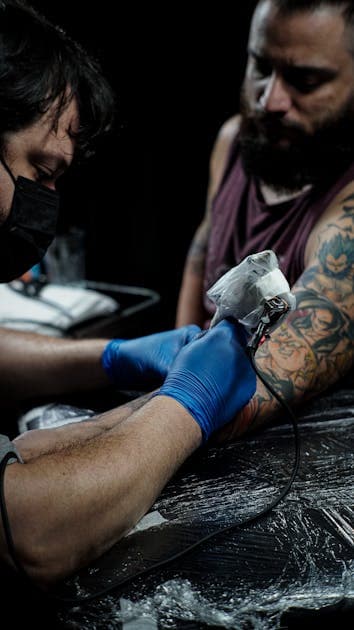
First Tattoo Tips: What to Know Before You Go
You've been staring at your forearm for the past three months, imagining exactly where the piece will sit. You've saved 47 reference images on your phone. You've told yourself "this is the year" at least twice before. Now you're here, searching for first tattoo tips because you're ready to stop imagining and start booking.
That mix of excitement and nerves? It's normal. Everyone who sits in a tattoo chair for the first time feels it, from the person getting a tiny wrist tattoo to the one starting a half-sleeve. The good news is that getting your first tattoo doesn't have to feel like a leap of faith. With the right preparation, the right artist, and the right expectations, your first session can be one of the best experiences of your life.
This guide covers everything you need to know before getting a tattoo: choosing an artist, preparing your body, surviving the session, and taking care of your new ink afterward. Let's get into it.
Choose the Right Artist (This Is the Most Important First Tattoo Tip)
Nothing affects the outcome of your first tattoo more than the artist holding the machine. A talented artist in the wrong style will produce a mediocre result. A mediocre artist in any style will produce a bad one. Your first step is finding someone whose work makes you stop scrolling.
Research Portfolios Like You Mean It
Start on Instagram and studio websites. Don't just look at the top posts or the featured pieces. Scroll back months. Look at 30, 40, 50 pieces. You're checking for consistency, not highlights. Every artist has a few standout pieces; what matters is whether the quality holds across their entire body of work.
Pay attention to healed photos, not just fresh ones. A fresh tattoo always looks crisp and vibrant. Healed work shows you the truth: how clean the lines stay, whether colors hold up, and how gradients settle into the skin over time.
Match Your Style to the Artist's Specialty
Tattoo artists specialize. A brilliant realism artist might struggle with bold new school work, and vice versa. Before you start browsing first tattoo ideas, get clear on the style you want.
At Pigment Tattoo, you can find specialists across every major style. Travis Johns brings 16 years of experience across illustrative, neotraditional, geometric, and realism work. Tanner Riggs has spent 13 years mastering neotraditional designs. Gunner Noetzel and Thomas Page specialize in realism and black & gray, with 7 and 17 years of experience respectively. This kind of depth means you're matched with someone who lives and breathes your chosen style.
Not sure which style fits your idea? Browse our artist portfolios and book a free consultation to talk through your concept with someone who can steer you in the right direction.
The Consultation: Your Secret Weapon
A consultation isn't a formality. It's the foundation of a great tattoo. If a studio doesn't offer one, or tries to rush through it, that's a red flag worth paying attention to.
What to Bring
Come prepared with reference images, but don't bring a rigid "copy this exactly" mindset. Bring 5-10 images that capture the vibe, style, and elements you're drawn to. Include examples of things you don't want, too. Knowing what to avoid helps your artist narrow the direction.
Wear clothing that exposes the area where you want the tattoo. If you're thinking about a shoulder piece, don't show up in a turtleneck. Your artist needs to see how the design will flow with your body's natural contours.
What to Ask
Good questions reveal good studios. Here are a few worth asking:
- How long have you been tattooing this style?
- Can I see healed examples of similar work?
- What size and placement would you recommend for this concept?
- How many sessions will this take?
- What's your aftercare protocol?
Lisa drove to Austin from San Marcos for her first tattoo consultation at three different studios. The first two gave her a quote over Instagram DM without seeing her skin or discussing the design in detail. The third studio, Pigment Tattoo, asked her to come in person. Her artist spent 45 minutes discussing the concept, sketched rough placement options on her forearm, and explained how the fine-line botanical design she wanted would age over 10 to 15 years. That conversation changed her entire approach. She adjusted the size, simplified a few elements, and walked out of her session six weeks later with a piece that still looks sharp today.
Preparing for Your First Tattoo Session
What you do in the 48 hours before your appointment has a direct impact on how the session goes. This is one of the most overlooked areas of first tattoo advice, and it makes a real difference.
The Night Before
Get a full night of sleep. Your body handles pain and stress better when it's rested. Aim for 7 to 8 hours. Skip the alcohol; it thins your blood and increases bleeding, which makes the artist's job harder and can affect ink retention.
The Morning Of
Eat a solid meal 1 to 2 hours before your appointment. Your blood sugar plays a direct role in how you feel during the session. People who skip breakfast before a tattoo are the ones who get lightheaded 30 minutes in. A meal with protein, complex carbs, and some fat will keep you steady.
Drink water. Start hydrating the day before and keep it going the morning of. Well-hydrated skin accepts ink more smoothly, and you'll feel better overall.
What to Wear
Dress for access. If your tattoo is on your ribs, wear a loose button-up. If it's on your thigh, wear shorts. You'll be in the chair for a while, so comfort matters more than style. Bring a hoodie or jacket in case the studio runs cool.
What to Bring
Pack a small bag with snacks (granola bars, candy, trail mix), a water bottle, headphones, and your phone charger. Longer sessions can run 3 to 5 hours, and having distractions helps. Some clients watch entire Netflix seasons during their appointments.
What Happens During Your First Tattoo
Here's the honest breakdown of what the process looks like, from the moment you walk in to the moment you walk out.
The Setup
Your artist will show you the design, either on paper or a digital screen. You'll review it together and make any final adjustments. Then they'll create a stencil and apply it to your skin. This is your chance to check placement and sizing in a mirror. Speak up now if anything feels off. Once ink starts, repositioning isn't an option.
The artist will set up their workstation with fresh needles, ink caps, and disposable supplies while you watch. This transparency matters. You should see everything come out of sealed packaging.
The Pain Question
Yes, it hurts. No, it's not as bad as you've built it up to be. Most people describe the sensation as a hot scratching feeling, like a cat scratch combined with a sunburn. The first few minutes are the worst as your body adjusts. After that, endorphins kick in and the sharpness dulls.
Pain varies by placement. Bony areas like ribs, ankles, and elbows tend to be more intense. Fleshy areas like the outer arm, thigh, and calf are more manageable. For a first tattoo, consider starting with a less sensitive spot.
Jake, a 28-year-old software engineer from East Austin, put off his first tattoo for three years because he was convinced the pain would be unbearable. He'd read forums, watched reaction videos, and worked himself into a state about it. When he sat down for a medium-sized geometric piece on his outer forearm at Pigment Tattoo, he was visibly tense. Ten minutes in, he looked at his artist and said, "Wait, that's it?" His 2.5-hour session went by faster than he expected, and he was already planning his second piece before the wrap went on.
During the Session
Stay as still as possible. Breathe normally. Let your artist know if you need a break; good artists will check in on you throughout the session. Don't be embarrassed to ask for a pause. It's better to take a 5-minute breather than to fidget through discomfort and affect the quality of the work.
First-time nerves are normal, and our artists have guided thousands of clients through their first session. Book your consultation and let us take care of the rest.
First Tattoo Aftercare: Protecting Your Investment
Your tattoo is an open wound for the first few days. How you treat it during that window determines how it heals, how the colors set, and how the lines hold up over the years.
The First 24 Hours
Your artist will cover the tattoo with a bandage or second-skin wrap. Follow their specific instructions on when to remove it, as this varies by artist and product. When you do remove the bandage, wash the tattoo gently with lukewarm water and a fragrance-free soap. Pat dry with a clean paper towel. Don't rub.
Days 2 Through 14
Apply a thin layer of unscented moisturizer or the aftercare product your artist recommends, 2 to 3 times per day. The American Academy of Dermatology recommends keeping new tattoos moisturized and protected from the sun during the healing process.
Your tattoo will peel and flake. This is normal. Do not pick at it, scratch it, or peel the flaking skin. Let it shed on its own. Picking can pull ink out and leave patchy spots that require touch-ups.
What to Avoid
During the first 2 to 3 weeks, stay away from:
- Submerging in water (pools, hot tubs, baths, oceans)
- Direct sunlight on the tattoo
- Tight clothing that rubs the area
- Gym workouts that cause excessive sweating on or near the tattoo
- Applying any product not recommended by your artist
After your tattoo is fully healed (4 to 6 weeks), apply SPF 30 or higher sunscreen whenever it's exposed to the sun. UV damage is the number one cause of tattoo fading over time, according to the Skin Cancer Foundation.
First Tattoo Mistakes (and How to Avoid Them)
We've seen thousands of first tattoos at Pigment Tattoo since 2009. Here are the mistakes that come up again and again, along with how to sidestep them.
Choosing on Price Alone
Quality tattoos cost money. In Austin, custom work from an experienced artist runs $150 to $250 per hour, depending on the style and complexity. A full-day session (6 to 8 hours) might cost $1,200 to $2,000.
That sounds like a lot until you remember this is permanent. A $50 tattoo from a scratcher will cost you $500 to $1,500 to remove or cover up later. Pay once for quality, or pay twice for a fix.
Going Too Small
First-timers often want to start small, which makes sense. But "small" has limits. Fine details shrink and blur as tattoos age. A design crammed into a 2-inch space might look crisp at first and turn into an indistinct blob in 5 to 10 years.
Your artist will tell you the minimum size needed for your design to age well. Listen to them. A slightly larger piece that holds up for decades beats a tiny one that needs reworking in a few years.
Skipping the Consultation
Walking in and expecting to get tattooed the same day is fine for small flash pieces. For custom work, skipping the consultation almost always leads to a result that doesn't match what you imagined. Take the time to talk it through.
Ignoring Aftercare
Your artist just spent hours creating a piece of art on your body. Treating the aftercare like an afterthought is the fastest way to compromise the result. Follow the instructions. Every time. No exceptions.
Copying Someone Else's Custom Tattoo
Scrolling Pinterest and finding someone else's custom piece to copy is a bad move. That design was created for someone else's body, story, and personality. A good artist will create something original for you that's better than a copy could ever be.
Placement and Size: First Tattoo Tips for Beginners
Where you put your first tattoo matters just as much as what you get. Here's a quick breakdown of popular first tattoo placements:
| Placement | Pain Level | Visibility | Best For |
|---|---|---|---|
| Outer forearm | Low to moderate | High | Medium to large designs |
| Upper arm/shoulder | Low | Moderate | Medium to large designs |
| Calf | Low to moderate | Moderate | Medium to large designs |
| Inner wrist | Moderate | High | Small to medium designs |
| Ribs | High | Low | Medium to large designs |
| Ankle | High | Moderate | Small designs |
| Upper back | Low to moderate | Low | Large designs |
For your first session, the outer forearm, upper arm, or calf offer a good balance of manageable pain and enough canvas for your artist to work with. These areas also heal well and are easy to care for during recovery.
Talk to your artist about how your design concept works with different placements. A design that looks great on a flat surface might need adjustments to follow the curve of a shoulder or the taper of a forearm.
Your First Tattoo Should Be Done Right
Getting your first tattoo is a milestone. It marks a moment, tells a story, or expresses something words can't capture. You deserve to walk out of that studio feeling proud of what's on your skin and confident it'll look just as good in 20 years.
Here's your game plan:
- Research artists by style and portfolio depth
- Book a consultation (don't skip this step)
- Prepare your body: sleep, eat, hydrate
- Trust the process and communicate with your artist
- Follow aftercare instructions to the letter
Pigment Tattoo has been guiding first-timers through this experience since 2009. With nearly 100 awards, 400+ publication features, and a team of artists covering new school, neotraditional, realism, black & gray, illustrative, and geometric styles, we've built a studio where your first tattoo gets the same attention and care as a collector's 50th.
Ready to make it happen? Browse our artist portfolios, find the artist whose work speaks to you, and book your free consultation. Your first tattoo should be your best tattoo.
When you are ready to start, read about our custom tattoo process or book a free consultation.